Serengeti National Park, Full Guide for Tanzania Destination
The Serengeti National Park, located in northern Tanzania, is one of the most iconic wildlife destinations in the world. Known for its expansive savannahs, abundant wildlife, and the legendary Great Migration, the Serengeti attracts thousands of tourists and wildlife enthusiasts every year. This natural wonder spans over 14,750 square kilometers and forms part of the larger Serengeti ecosystem, which includes the Ngorongoro Conservation Area and the Masai Mara in neighboring Kenya.
History and Establishment
The Serengeti National Park was established in 1951 as Tanzania's first national park. Its name originates from the Maasai word "Siringitu," which means "endless plains," perfectly describing the vast grasslands that define this area. The park was created to protect the diverse wildlife species and their natural habitats, and today, it is recognized as a UNESCO World Heritage Site for its outstanding universal value.
Over the decades, the Serengeti has become a model of wildlife conservation, balancing ecological preservation with tourism and local community interests. It is home to a diverse range of ecosystems, including grasslands, woodlands, riverine forests, and kopjes (rocky outcrops), each providing unique habitats for various species.
Wildlife in the Serengeti
The Serengeti National Park is renowned for its extraordinary biodiversity. It is home to over 70 large mammal species and more than 500 bird species, making it a paradise for wildlife lovers. The park’s most famous residents include:
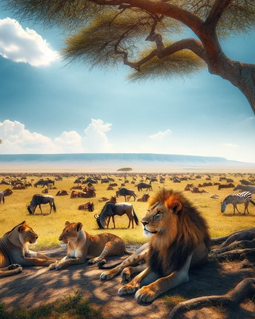
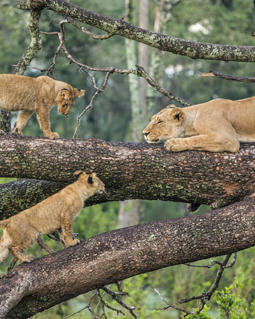
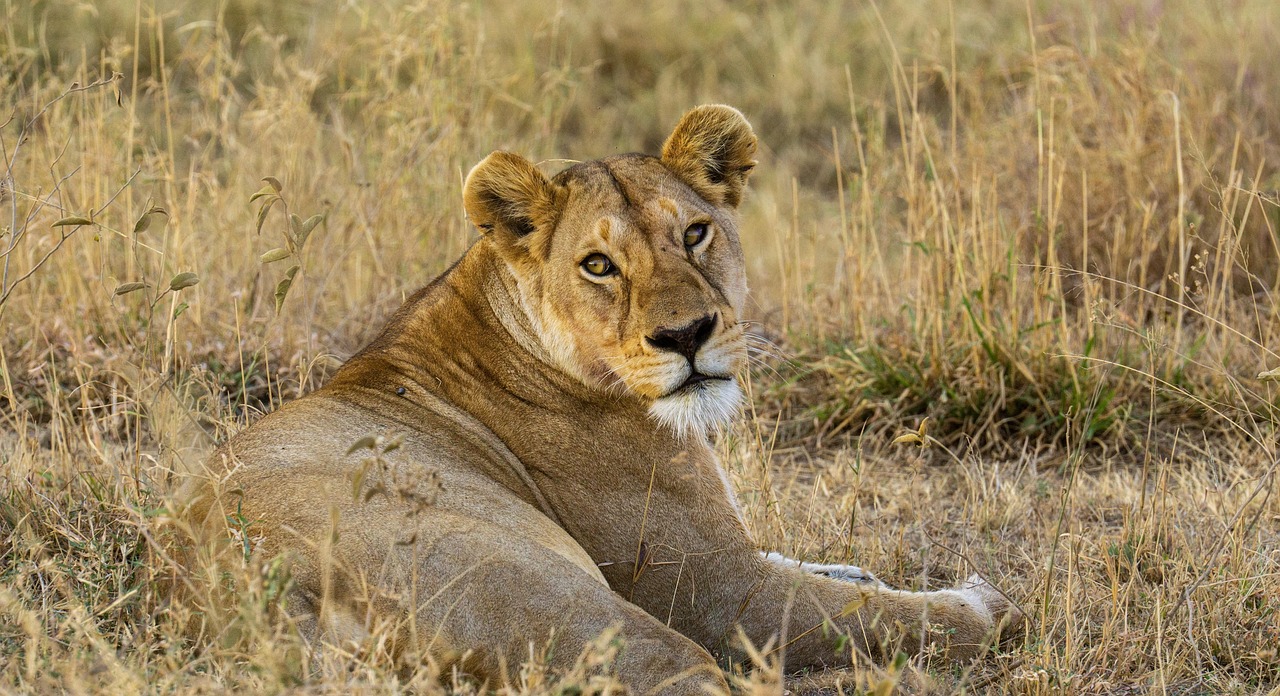
- Lions: The Serengeti hosts one of the largest lion populations in Africa, often seen resting under acacia trees or hunting in the grasslands.
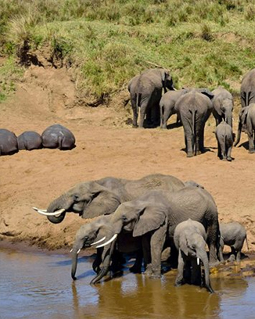
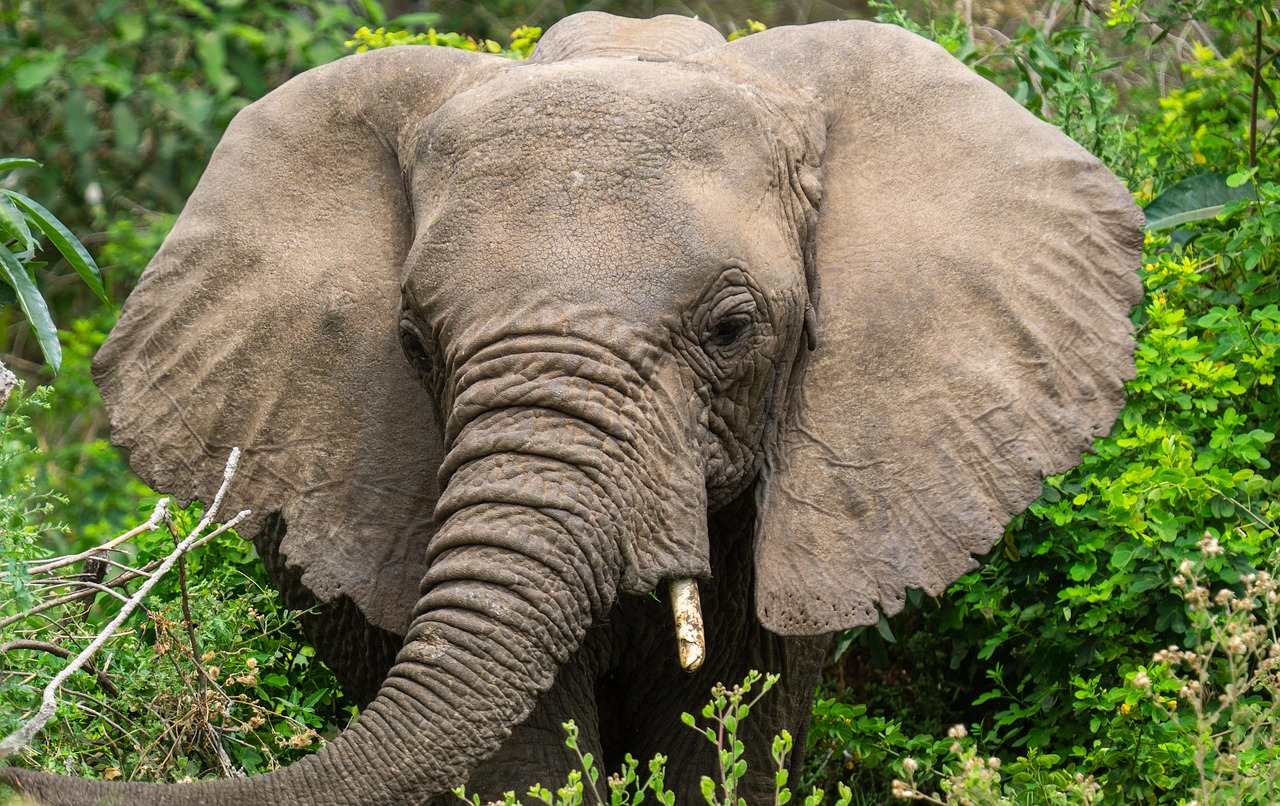
- Elephants: Herds of elephants roam the plains, especially near water sources and river valleys.
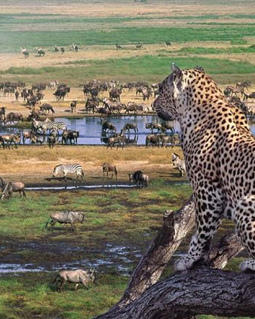
- Leopards: Elusive yet present, leopards are mostly spotted in the rocky kopjes and woodland areas.
- Cheetahs: The park’s open savannah makes it an ideal hunting ground for these agile predators.
- Buffalo, giraffes, zebras, and wildebeests: These herbivores populate the grasslands, forming the backdrop for predator-prey interactions.
- Bird species: From flamingos near soda lakes to raptors soaring above the plains, birdwatchers are spoiled for choice.
The Great Migration
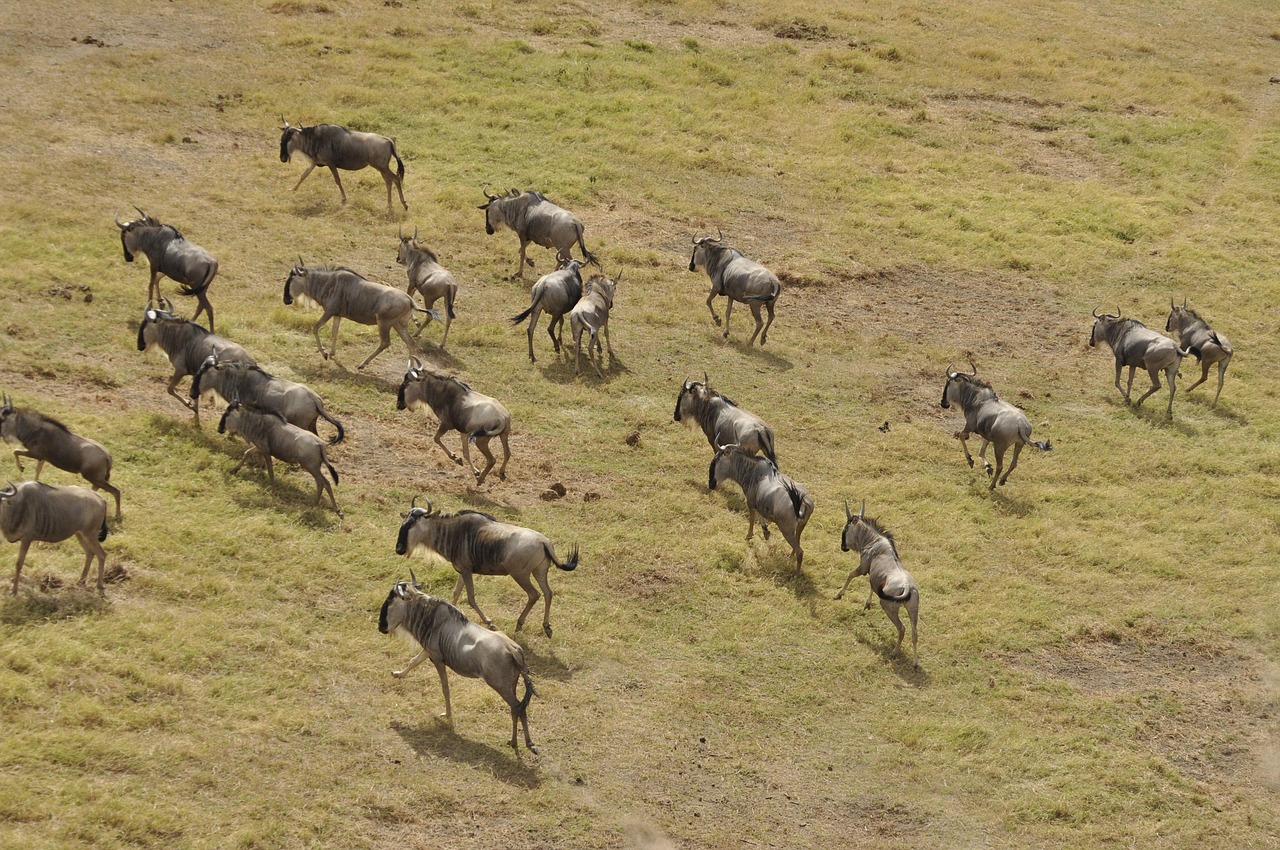
One of the Serengeti’s most extraordinary natural phenomena is the Great Migration. Every year, over 1.5 million wildebeests, accompanied by hundreds of thousands of zebras and gazelles, traverse the Serengeti-Mara ecosystem in search of fresh grazing. This massive movement, driven by seasonal rains, attracts predators and creates a dynamic wildlife spectacle that is unrivaled anywhere else on the planet.
Witnessing the Great Migration is a once-in-a-lifetime experience. From river crossings with crocodiles to predator chases on the open plains, the event is a testament to the raw power and balance of nature.
Best Time to Visit
The Serengeti can be visited year-round, but certain periods are ideal depending on what travelers want to experience:
- June to October: Dry season; best for game viewing as animals gather around water sources.
- December to March: Calving season; great for seeing newborn wildlife and predator activity.
- April to May: Short rainy season; fewer tourists, lush landscapes, and abundant greenery.
- July to October: Peak migration crossing at the Grumeti and Mara rivers.
Activities in Serengeti National Park
Visitors to the Serengeti can enjoy a range of activities designed to immerse them in the park’s beauty and wildlife:
- Game Drives: Morning and afternoon safaris in open 4x4 vehicles allow visitors to spot predators and herbivores across the plains.
- Hot Air Balloon Safaris: Offering a unique aerial perspective of the park and its wildlife, especially during sunrise.
- Guided Nature Walks: Short walks with trained guides near camps and lodges, observing flora, small mammals, and birdlife.
- Photography Safaris: Capture the park’s iconic landscapes, wildlife interactions, and dramatic skies.
- Village Visits: Engage with Maasai communities on the outskirts of the park to learn about their traditional lifestyles.
Accommodation Options
Serengeti National Park offers a wide range of accommodations catering to various preferences and budgets:
- Luxury Lodges: High-end lodges with private decks, fine dining, and exclusive game drives.
- Mid-range Tented Camps: Comfortable tents with amenities, often situated in prime wildlife areas.
- Budget Campsites: For adventurous travelers wanting a closer-to-nature experience.
- Mobile Safaris: Temporary camps that move with the migration, offering unmatched access to wildlife.
Travel Tips for Visiting Serengeti
For a safe and memorable experience, consider these tips:
- Book safaris in advance, especially during peak migration season.
- Carry sunscreen, hats, binoculars, and insect repellent.
- Respect wildlife and maintain a safe distance at all times.
- Travel light but include essentials like a camera, water bottle, and comfortable clothing.
- Consider hiring a knowledgeable guide to enrich your safari experience.
Why Serengeti National Park is a Top Destination
The Serengeti is a symbol of Tanzania’s wildlife richness and natural beauty. Its endless plains, dramatic skies, and diverse wildlife offer experiences that are both educational and awe-inspiring. For photographers, nature lovers, and adventure seekers, the Serengeti provides unmatched opportunities to witness the raw splendor of the African wilderness.
Whether it is observing the hunting techniques of lions, capturing stunning wildlife photos, or witnessing the incredible Great Migration, Serengeti National Park remains a must-visit destination for anyone traveling to Tanzania.
Conservation and Sustainability
Serengeti National Park is a global conservation success story. The park has strict anti-poaching measures, community engagement programs, and sustainable tourism practices to protect its fragile ecosystems.