Lake Manyara National Park – Complete Guide for Tanzania Safari
Lake Manyara National Park, located in northern Tanzania near the base of the Great Rift Valley escarpment, is a diverse and enchanting wildlife destination. Famous for its scenic beauty, dense forests, alkaline lake, and abundant wildlife, Lake Manyara attracts both first-time safari-goers and seasoned travelers. The park covers approximately 330 square kilometers and includes Lake Manyara itself, extensive woodlands, grassy plains, and the dramatic Rift Valley escarpment.
History and Establishment
Lake Manyara National Park was established in 1960 to protect its unique ecosystems and wildlife. The park’s name comes from the Maasai word “Manyara,” which means “place of water,” reflecting the central role of the lake in sustaining wildlife populations. The park became a national park to balance ecological preservation with the growth of tourism and conservation awareness in northern Tanzania.
Over time, Lake Manyara has become a model of small-scale but highly diverse conservation, offering a combination of forest, savannah, and lake habitats that support a rich variety of wildlife.
Geography and Unique Features
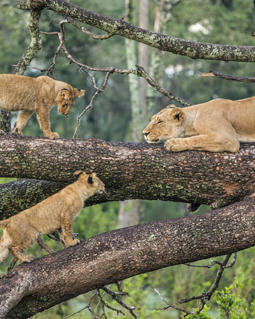
Lake Manyara National Park sits at the base of the Great Rift Valley escarpment and features a mix of dense acacia and fig forests, alkaline soda lake, and open grassy plains. The park is renowned for its tree-climbing lions, a rare phenomenon where lions rest in fig and acacia trees to escape the heat and hunt. The alkaline waters of Lake Manyara attract thousands of flamingos and other bird species, making it a hotspot for birdwatching.
The Rift Valley escarpment offers breathtaking panoramic views of the park and surrounding landscapes, while the combination of forest, riverine, and lake ecosystems ensures high biodiversity in a relatively compact area.
Wildlife in Lake Manyara
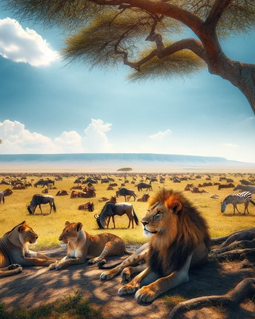
Despite its small size compared to Serengeti or Ngorongoro, Lake Manyara is home to an impressive diversity of wildlife. The park hosts more than 400 bird species and over 50 mammal species. Highlights include:
- Tree-Climbing Lions: A rare sight in Africa, lions in Lake Manyara climb trees to rest or observe prey.
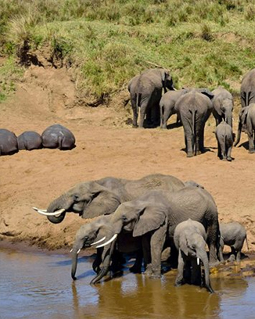
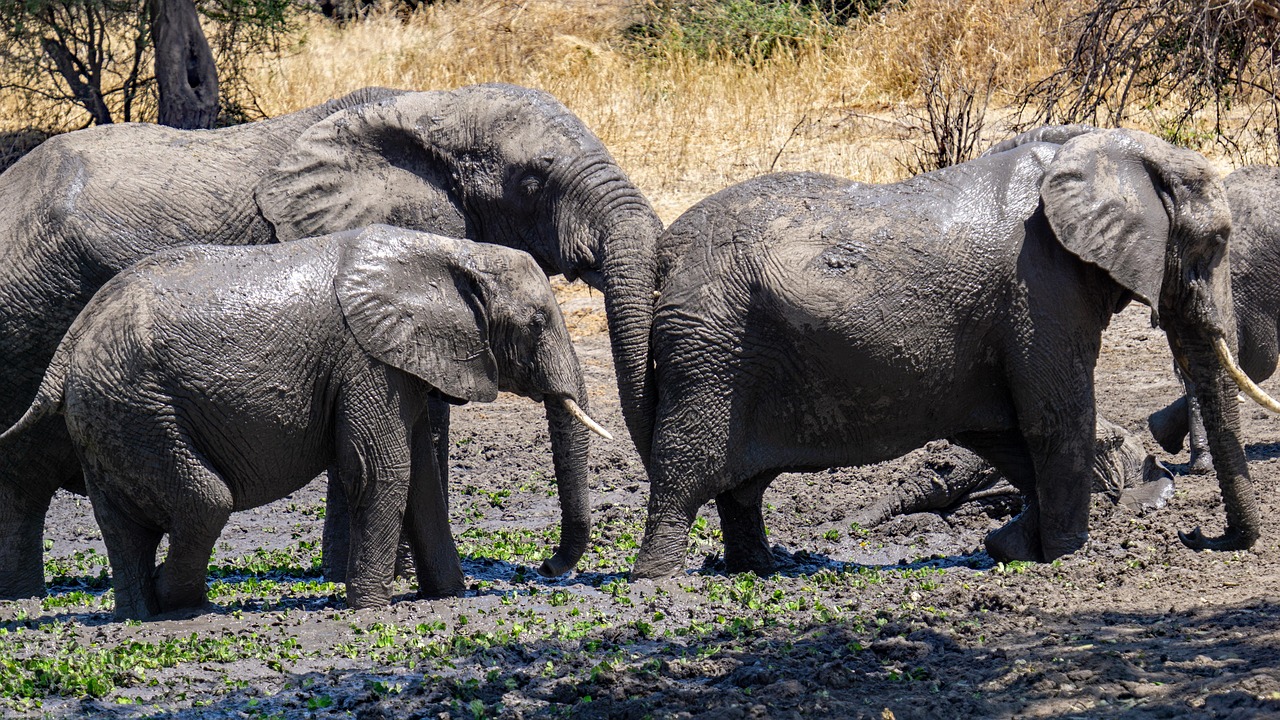
- Elephants: Large herds roam the acacia forests and plains, often seen near waterholes.
- Buffalo and Hippos: Grazing buffalo and hippos inhabit rivers and swampy areas around the lake.
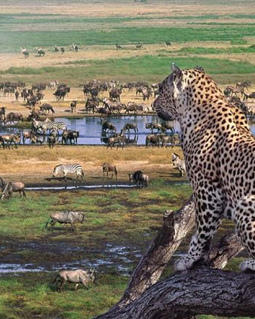
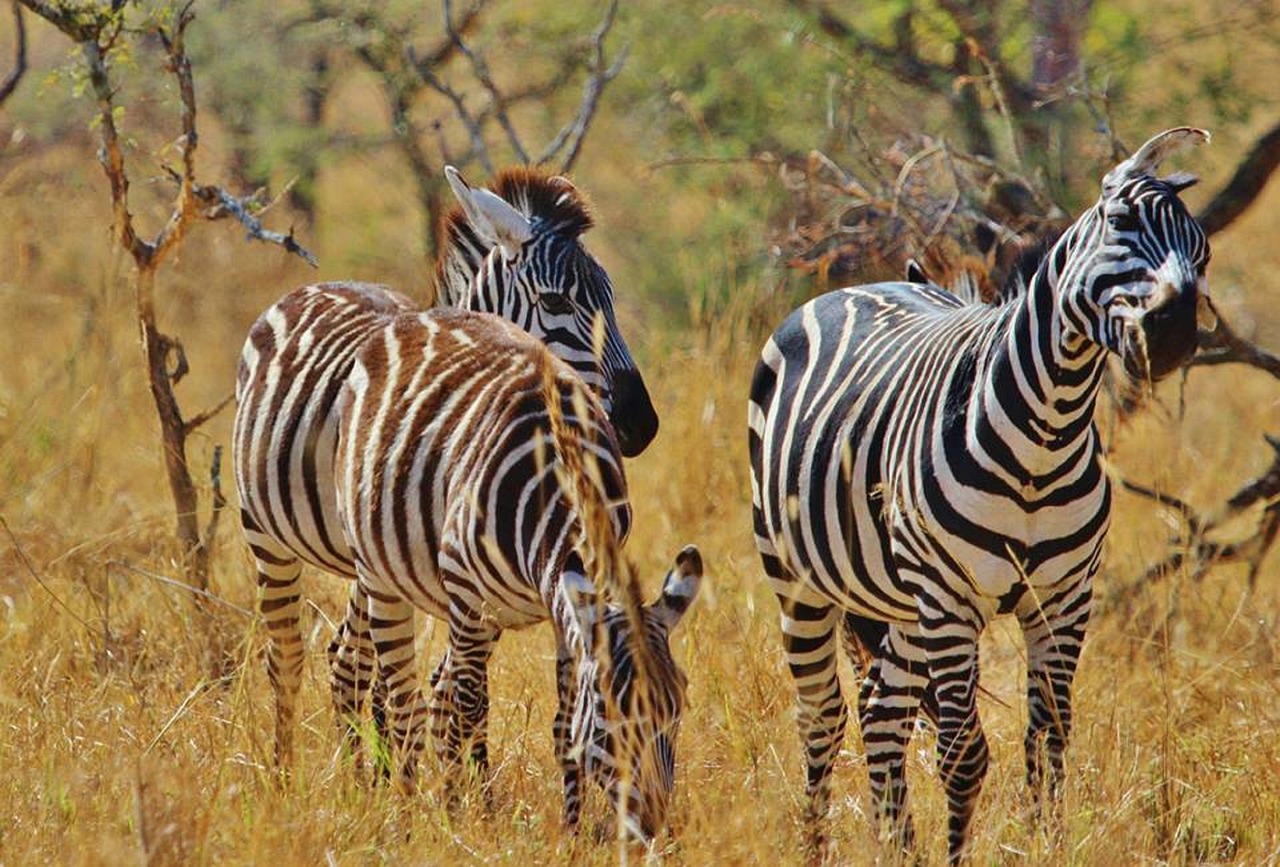
- Zebras, wildebeests, and impalas: Herbivores populate the plains, attracting predators and birdlife.
- Bird species: Thousands of flamingos, pelicans, storks, and herons flock to the lake, making it a birdwatcher’s paradise.
- Other predators: Leopards, cheetahs, and hyenas can also be spotted, though more elusive.
Best Time to Visit
Lake Manyara National Park can be visited year-round, but wildlife activity and scenery vary by season:
- June to October: Dry season; wildlife congregates around water sources, making sightings easier.
- December to March: Green season; lush landscapes, fewer tourists, and vibrant birdlife.
- April to May: Rainy season; some roads may be muddy, but the park is vibrant and green.
Activities in Lake Manyara National Park
The park offers a variety of activities for travelers seeking both adventure and relaxation:
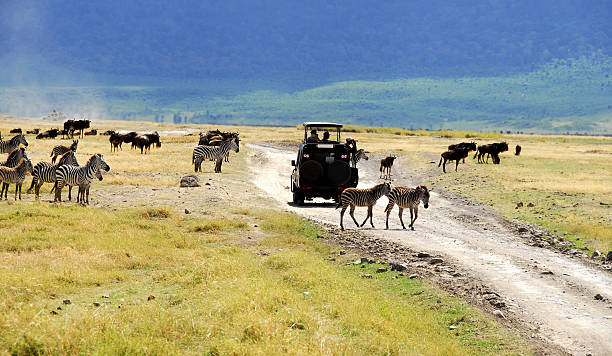
- Game Drives: Explore the forest, plains, and lake shores to spot lions, elephants, giraffes, and more.
- Bird Watching: With hundreds of bird species, including flamingos, pelicans, and herons, the park is a prime destination for bird enthusiasts.
- Guided Nature Walks: Short walks around designated areas to observe smaller wildlife, insects, and plants.
- Photography Safaris: Capture tree-climbing lions, scenic lake vistas, and diverse wildlife interactions.
- Rift Valley Views: Enjoy breathtaking panoramas from the escarpment cliffs overlooking the park and surrounding plains.
Accommodation Options
Lake Manyara offers a range of accommodations, from luxury lodges to budget campsites:
- Luxury Lodges: High-end lodges with private decks, fine dining, and premium safari services.
- Mid-range Lodges and Tented Camps: Comfortable accommodations close to the park entrance and scenic viewpoints.
- Budget Campsites: For adventurous travelers who want to stay immersed in nature.
Travel Tips for Visiting Lake Manyara
- Plan visits during the dry season for better wildlife viewing.
- Carry binoculars, camera, sunscreen, insect repellent, and comfortable shoes.
- Respect wildlife and maintain safe distances at all times.
- Hire a knowledgeable guide to enhance wildlife spotting and cultural insights.
- Consider combining Lake Manyara with nearby Ngorongoro Crater or Serengeti safaris for a complete northern Tanzania experience.
Why Lake Manyara National Park is a Top Destination
Lake Manyara National Park offers a unique mix of forest, lake, and plains ecosystems, making it a compact but highly rewarding safari destination. Its tree-climbing lions, flamingo-filled lake, and scenic Rift Valley escarpment set it apart from other parks. Whether you are a first-time safari traveler, a birdwatcher, or a wildlife photographer, Lake Manyara provides exceptional experiences within a short time frame.
Visitors often combine the park with Ngorongoro Crater or Serengeti tours, maximizing wildlife encounters while enjoying diverse landscapes and cultural experiences with the Maasai communities.
Conservation and Sustainability
Lake Manyara National Park is part of Tanzania’s network of protected areas that promote sustainable tourism and wildlife conservation. Anti-poaching measures, habitat protection, and community involvement ensure that the park’s delicate ecosystems are preserved for future generations. By visiting, travelers contribute to both conservation efforts and the support of local communities, particularly the Maasai pastoralists living around the park.
The park demonstrates the balance between tourism, wildlife protection, and cultural preservation, making it a model for sustainable conservation in East Africa.