Tanzania
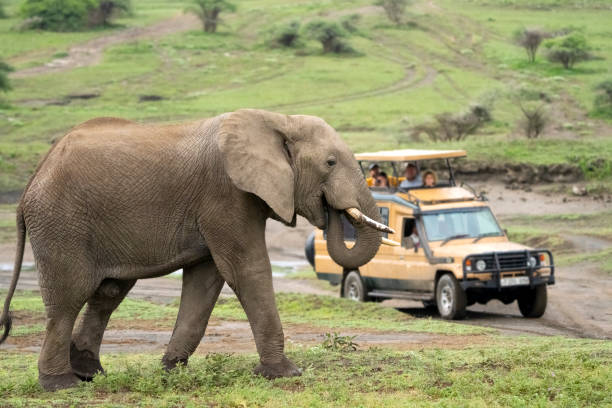
Choose Meremeta Safaris Today.
Planning a safari in Tanzania is one of the most exciting travel experiences in Africa. From the endless plains of the Serengeti to the wildlife-rich Ngorongoro Crater and the elephant paradise of Tarangire National Park, every destination offers unforgettable adventures. However, knowing exactly what to pack for a Tanzania safari can make a huge difference in your comfort, safety, and overall experience.
Many travelers either overpack unnecessary items or forget essential safari gear. Tanzania’s safari environment includes dusty roads, changing temperatures, long game drives, sunny afternoons, cool mornings, and occasional rain depending on the season. Packing correctly helps you stay comfortable during wildlife viewing, walking safaris, cultural tours, and beach extensions in Zanzibar.
This detailed Tanzania safari packing list explains everything you need to bring for your African safari, including clothing, footwear, electronics, toiletries, health essentials, travel documents, photography equipment, luggage recommendations, and weather-specific safari gear. Whether you are going on a luxury safari, camping safari, family safari, honeymoon safari, or budget adventure, this guide will help you prepare properly for your trip.
Why a Proper Safari Packing List Matters
Packing for a Tanzania safari is different from packing for a normal vacation. Safari destinations often involve remote national parks, long driving distances, changing weather conditions, and outdoor activities. The right packing strategy improves comfort, mobility, and convenience throughout your journey.
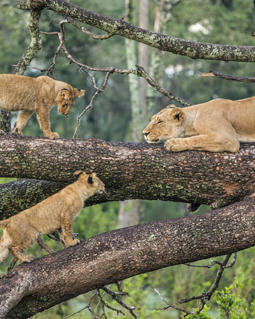
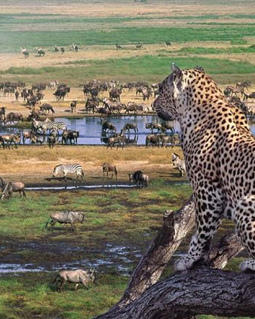
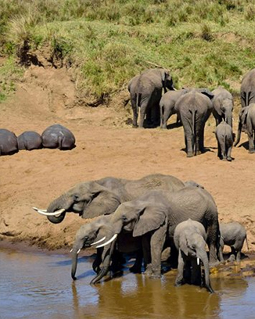
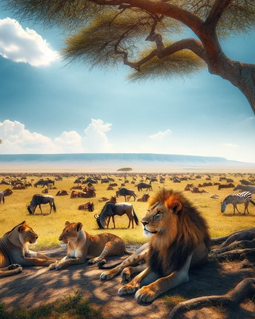
Most safari travelers spend several hours inside safari vehicles each day while searching for wildlife such as lions, elephants, leopards, giraffes, cheetahs, rhinos, wildebeests, and zebras. Dusty roads, strong sunlight, and cool early mornings require practical clothing and lightweight travel gear.
A good safari packing list should focus on:
- Comfort during long game drives
- Protection from sun and dust
- Easy movement during travel
- Safety and health essentials
- Suitable clothing for different temperatures
- Lightweight and practical luggage
- Photography and wildlife viewing equipment
Best Type of Luggage for Tanzania Safari
1. Soft-Sided Duffel Bags
Most safari operators in Tanzania recommend soft-sided duffel bags instead of hard-shell suitcases. Soft bags are easier to fit inside safari vehicles and domestic bush planes.
| Luggage Type | Recommended? | Reason |
|---|---|---|
| Soft Duffel Bag | Yes | Flexible and easier for safari transport |
| Hard Suitcase | No | Difficult to store in safari vehicles |
| Backpack | Yes | Good for day trips and light travel |
| Small Carry-On | Yes | Useful for electronics and valuables |
2. Weight Limits for Domestic Flights
Many domestic safari flights in Tanzania have strict baggage limits, often around 15 kg including hand luggage. Lightweight packing is highly recommended, especially for Serengeti fly-in safaris.
Essential Clothing for Tanzania Safari
Neutral Colored Clothing
Neutral colors work best during safari activities. Choose beige, khaki, olive green, grey, or light brown clothing because they blend naturally with the environment and attract fewer insects.
Avoid These Colors
- Bright red
- Neon colors
- Pure white
- Dark black clothing during hot weather
- Camouflage clothing (restricted in some African countries)
Recommended Safari Clothing List
| Item | Recommended Quantity |
|---|---|
| T-Shirts | 4 - 6 |
| Long Sleeve Shirts | 2 - 4 |
| Safari Pants | 2 - 3 |
| Shorts | 2 |
| Light Jacket or Fleece | 1 |
| Waterproof Rain Jacket | 1 |
| Underwear | Enough for entire trip |
| Socks | 4 - 6 pairs |
| Pajamas | 1 - 2 |
Best Shoes for Safari in Tanzania
Comfortable footwear is very important during safari tours. Most game drives are vehicle-based, but travelers may also participate in walking safaris, cultural visits, lodge walks, or hiking activities.
Recommended Footwear
- Comfortable walking shoes
- Light hiking boots
- Sandals for lodge relaxation
- Flip-flops for pool or beach extensions
Footwear Tips
- Break in new shoes before traveling
- Avoid heavy boots unless climbing Kilimanjaro
- Bring breathable footwear for hot weather
- Pack extra socks for dusty conditions
Safari Accessories You Should Never Forget
Sun Protection Essentials
Tanzania experiences strong equatorial sunlight throughout the year. Sun protection is extremely important during game drives and outdoor activities.
- Wide-brim safari hat
- Sunglasses with UV protection
- High SPF sunscreen
- Lip balm with SPF
Dust Protection Items
Safari roads can become dusty, especially during the dry season between June and October.
- Light scarf or buff
- Face mask or dust mask
- Wet wipes
- Eye drops for dry conditions
Camera and Photography Packing List
Tanzania is one of the best wildlife photography destinations in the world. Proper camera gear helps travelers capture amazing safari moments.
Recommended Photography Equipment
- DSLR or mirrorless camera
- Extra memory cards
- Extra batteries
- Power bank
- Camera cleaning cloth
- Binoculars
- Zoom lens for wildlife photography
- Phone charger and adapters
Best Lens for Safari
A zoom lens between 200mm and 400mm is ideal for wildlife photography in Serengeti National Park and Ngorongoro Crater.
Travel Documents and Important Papers
Essential Travel Documents
- Passport with at least 6 months validity
- Tanzania visa documents
- Travel insurance
- Flight tickets
- Hotel confirmations
- Safari booking confirmation
- Vaccination certificates if required
- Emergency contact information
Money and Payments
While many safari lodges accept credit cards, carrying some cash in US dollars or Tanzanian shillings is useful for tips, souvenirs, and small purchases.
Health and Medical Packing List
Important Medical Essentials
- Personal medications
- Motion sickness tablets
- Pain relievers
- Anti-diarrhea medicine
- Insect repellent
- Antihistamines
- Band-aids and blister care
- Hand sanitizer
Malaria Protection
Some safari regions in Tanzania are malaria-risk areas. Travelers should consult their doctor before travel regarding malaria prevention medication and health recommendations.
Toiletries for Tanzania Safari
Most safari lodges provide basic toiletries, but travelers should still bring personal essentials for comfort and convenience.
- Toothbrush and toothpaste
- Shampoo and conditioner
- Soap or body wash
- Deodorant
- Moisturizer
- Wet wipes
- Tissues
- Feminine hygiene products
Electronics and Power Essentials
Recommended Electronics
- Universal travel adapter
- Phone charger
- Camera charger
- Portable power bank
- Travel extension cable
- Headphones
- Flashlight or headlamp
Electricity in Tanzania
Tanzania commonly uses Type G electrical plugs with 230V supply similar to the United Kingdom.
Seasonal Safari Packing Tips
Dry Season Safari Packing (June to October)
The dry season is the most popular safari period in Tanzania. Days are sunny while mornings and evenings may feel cold.
Recommended Items
- Warm fleece jacket
- Dust scarf
- Layered clothing
- Moisturizer and lip balm
Green Season Packing (November to May)
The green season brings occasional rain showers and lush landscapes.
Recommended Items
- Waterproof rain jacket
- Quick-dry clothing
- Water-resistant shoes
- Waterproof bag cover
Packing Tips for Luxury Safari Travelers
Luxury safari lodges in Tanzania provide laundry services, comfortable accommodations, and premium amenities. Travelers can pack lighter and focus on versatile clothing combinations.
- Bring smart casual evening wear
- Pack lightweight luxury fabrics
- Use compact travel organizers
- Carry high-quality camera equipment
Packing Tips for Budget and Camping Safaris
Budget and camping safaris require additional practical items for outdoor comfort and flexibility.
- Warm sleeping clothes
- Extra batteries
- Compact flashlight
- Reusable water bottle
- Quick-dry towel
- Extra wet wipes
What NOT to Pack for Safari
- Heavy luggage
- Expensive jewelry
- Bright colored clothing
- Hair dryers (most lodges provide them)
- Too many shoes
- Large hard-shell suitcases
- Camouflage outfits
Recommended Safari Packing Checklist
Quick Checklist Before Departure
| Category | Status |
|---|---|
| Passport and Visa | ✔ |
| Safari Clothing | ✔ |
| Walking Shoes | ✔ |
| Camera Equipment | ✔ |
| Travel Insurance | ✔ |
| Medication | ✔ |
| Power Adapters | ✔ |
| Binoculars | ✔ |
| Sunscreen and Hat | ✔ |
Final Thoughts on Tanzania Safari Packing
Packing correctly for your Tanzania safari helps you enjoy every moment comfortably and stress-free. The ideal safari packing list focuses on lightweight clothing, neutral colors, practical accessories, comfortable footwear, and essential travel gear.
Whether you are visiting Serengeti National Park, Ngorongoro Crater, Tarangire National Park, Lake Manyara, Ruaha, Nyerere National Park, or combining your safari with Zanzibar beach holidays, careful preparation ensures a smooth and unforgettable African adventure.
A successful safari is not about packing more items — it is about packing smart. With the right clothing, equipment, and essentials, you will be fully prepared to explore Tanzania’s incredible wildlife, landscapes, and safari experiences.
Book This Tour
Why Book With Us?
- Experienced local guides
- Flexible, tailor-made safaris
- Secure bookings & trusted service
- 24/7 client support